


Organizations today are under growing pressure to understand and optimize their workforce capabilities, especially as markets shift faster than traditional workforce planning cycles can keep pace. Skills data has emerged as a critical resource in modern talent management, offering the potential to guide career development, address persistent skill gaps, and align talent strategy with business priorities. Yet the value of this information lies not in the numbers themselves, but in how effectively those numbers are translated into actionable insights.
Too often, HR leaders have a clear view of their employee skills profile but lack a reliable way to turn that visibility into targeted talent development initiatives that actually close skill gaps. Without the right systems in place, even the most comprehensive skills architecture becomes another layer of information to manage rather than a catalyst for change.
This article explores why so many organizations struggle to bridge the gap between skills insight and action—and how Fuel50’s talent intelligence solutions transform static data into a living, results-driven system that supports internal mobility, workforce transformation, and workforce agility at every level.
Why HR teams struggle to turn skills data into real change
Organizations today have more access to workforce skills data than at any point in history, yet many still struggle to translate that information into tangible business outcomes. HR leaders often assume that collecting and displaying a skill inventory will naturally lead to better decisions, but in practice, the leap from insight to data driven decisions is far more difficult. Without the right structures, connections, and context, skills data becomes another layer of information to manage rather than a catalyst for meaningful talent development. This disconnect shows up in several critical ways—starting with the way dashboards present information without providing clear actionable insights.
Dashboards give visibility, but not next steps
Most HR technology platforms present skills data in dashboards and charts that appear informative at first glance, creating the impression that leaders now have a clear view of their workforce capabilities. That initial clarity, however, is deceptive because the information rarely comes with concrete recommendations for workforce development or career pathing. Without explicit, context-specific guidance, the responsibility for interpreting what the data actually means falls entirely on HR teams, many of whom lack the analytical resources or talent intelligence platforms to extract accurate conclusions. As a result, well-intentioned strategic initiatives are often based on partial interpretations, where the most visible issues get attention while deeper, strategic skill gaps remain unaddressed.
This lack of targeted follow-through gradually erodes the link between data and decision-making, leaving leaders with reports that describe the present but do little to shape the future. Over time, the organization invests heavily in measurement but gains little in tangible progress, as critical opportunities for internal mobility, upskilling, or redeployment pass by unnoticed. The dashboard may continue to highlight where capabilities are thin, yet without a mechanism to close skills gaps through targeted development opportunities, the data becomes an expensive form of decoration rather than a driver of strategic advantage.
Skills data is disconnected from career and workforce planning
Even when organizations invest in building detailed skill inventories, the resulting data often exists in isolation from broader talent management and workforce planning strategies. Without integration into systems that drive career development, talent mobility, and succession planning, these skill records remain a static reference point rather than an active data driven approach to decision-making. This disconnect forces HR leaders to manually reconcile information from multiple sources, a process that is slow, error-prone, and highly resource-intensive. Because the information is not inherently linked to training programs or career pathing, leaders struggle to use it for proactive capability building. Over time, the gap between what the organization knows about its skills and how it acts on that knowledge widens, reducing both workforce agility and competitiveness in a rapidly changing market.
Generic skill frameworks ignore organizational context
Many skills platforms rely on broad, prebuilt taxonomies that promise comprehensive coverage but overlook the distinct realities of each organization. These one-size-fits-all frameworks rarely reflect the company’s culture, unique role structures, or evolving strategic priorities, leaving leaders with an inaccurate picture of their workforce’s true capabilities. As business needs shift, the misalignment grows, and the framework’s relevance steadily erodes. This creates a dangerous situation where decisions are made on the basis of outdated or incomplete skills data. Without a tailored model that evolves alongside the organization, the result is a skills strategy that looks robust on paper but fails to drive meaningful progress in practice.
Leaders see gaps but can’t close them
Even when skills data successfully identifies skill gaps in critical roles, many HR technology tools offer no practical pathway for addressing them. Leaders may know which positions are under-equipped or which emerging skills are in short supply, but without clear mechanisms to deploy targeted curated skill development, career developmentprograms, or internal development opportunities, that knowledge remains unused. This creates a frustrating cycle where awareness increases but results remain stagnant. Over time, employees lose confidence in the organization’s ability to support their career growth, and leaders lose momentum in workforce transformation efforts. The net effect is a widening gap between insight and action, where valuable skills intelligence is left untapped while competitive pressure continues to mount.
How Fuel50 turns skills data into action and impact
While many platforms stop at providing visibility into workforce skills, Fuel50 is designed to close the gap between knowing and doing. Every feature is built to transform static information into a living system that continuously drives mobility, development, and workforce agility.
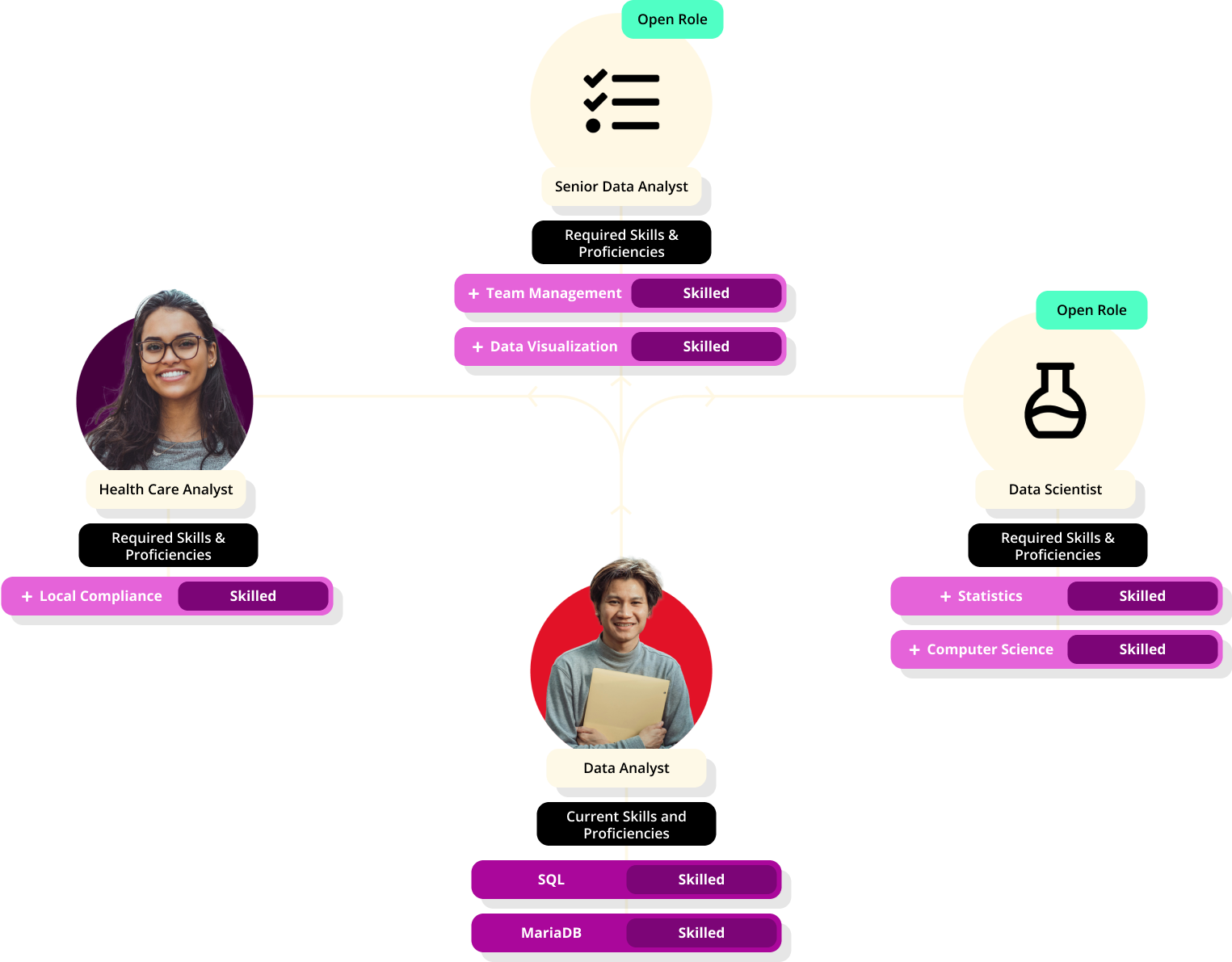
Instead of treating skills data as an end product, Fuel50 treats it as the starting point for targeted actions that align directly with business priorities. This approach ensures that insights don’t remain theoretical—they translate into concrete opportunities, strategic workforce planning, and measurable organizational impact.
Building a skills architecture that reflects your workforce
Fuel50 begins by creating a skills architecture that is not generic or static, but fully contextualized to your organization’s unique reality. Rather than relying on off-the-shelf taxonomies, Fuel50’s Skills Architecture is built from both internal and external data—capturing the specific capabilities that matter to your business while staying attuned to emerging market demands.
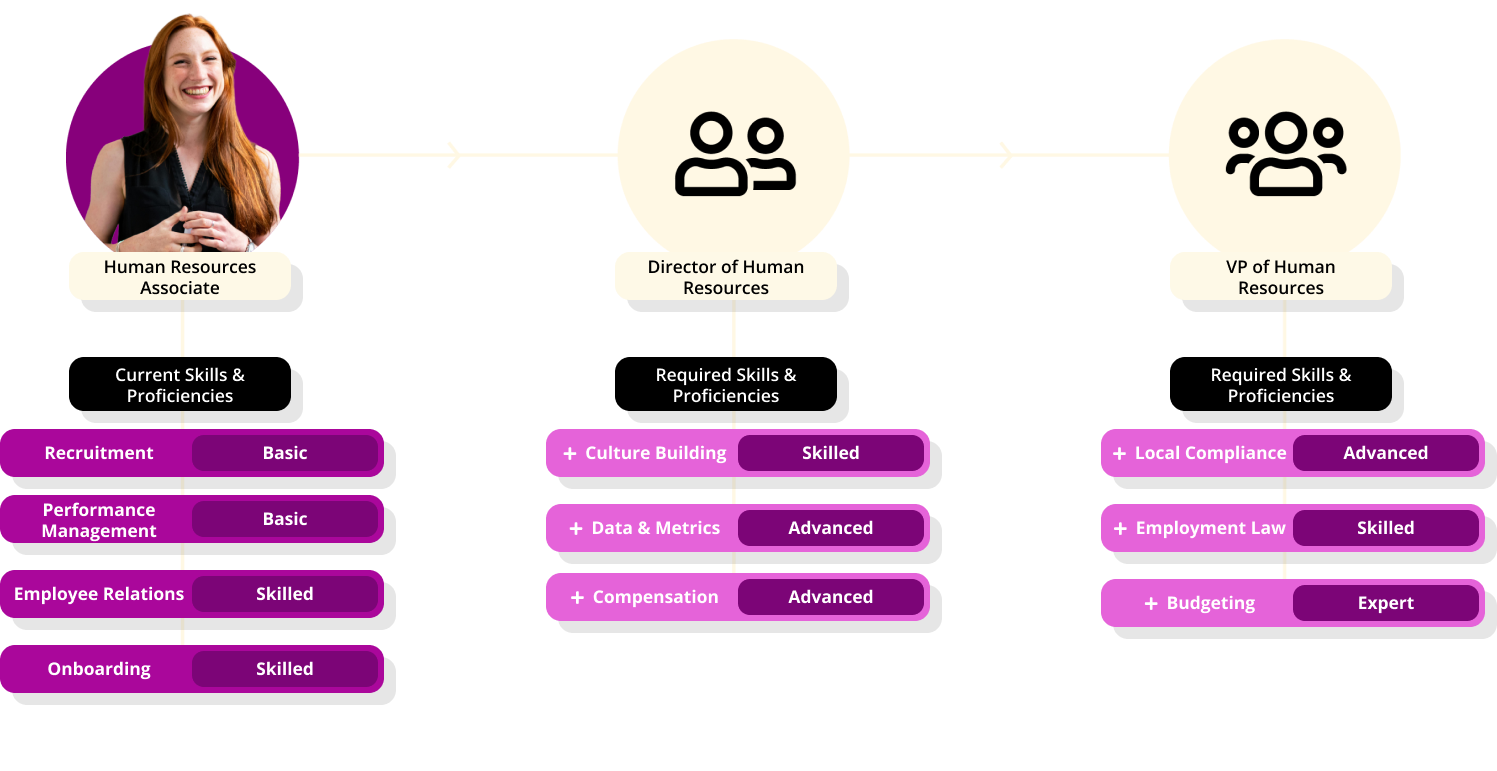
This architecture incorporates Talent Blueprint™, which aligns role frameworks and skill profiles with strategic objectives, and DNA Imprint™, which embeds your company’s culture, values, and operating context directly into the structure.
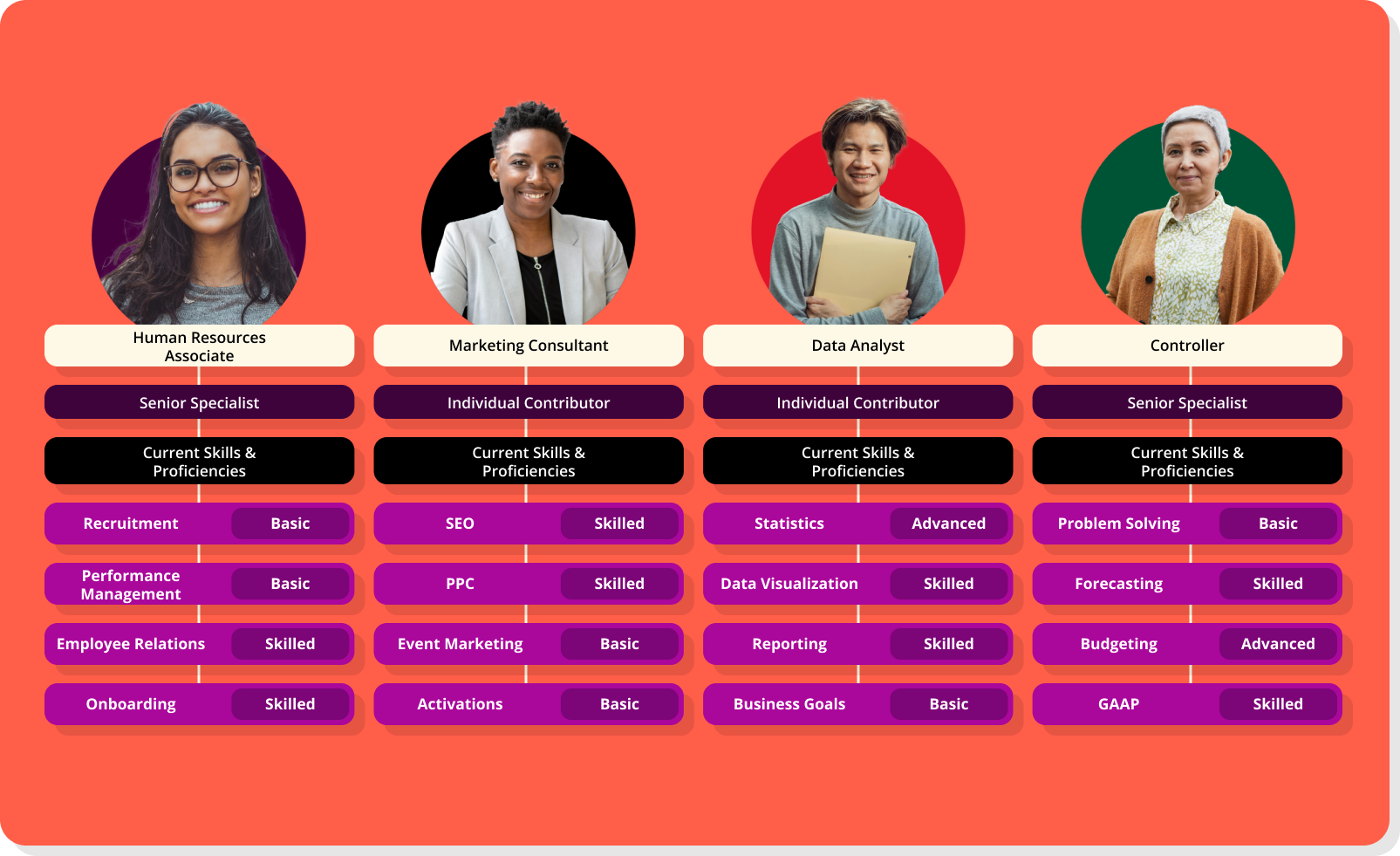
In practice, this means every role within the organization has a clearly defined skills profile that reflects both current responsibilities and the capabilities needed for future success. Employees and managers can see exactly what skills are required to progress, where gaps exist, and how those gaps connect to business priorities. For leaders, this architecture becomes a decision-making map—allowing them to plan workforce development with precision, model future skill needs, and align talent strategies with long-term growth objectives. Because the framework is dynamic, it evolves alongside the business, ensuring that the skills conversation is always relevant, targeted, and actionable.
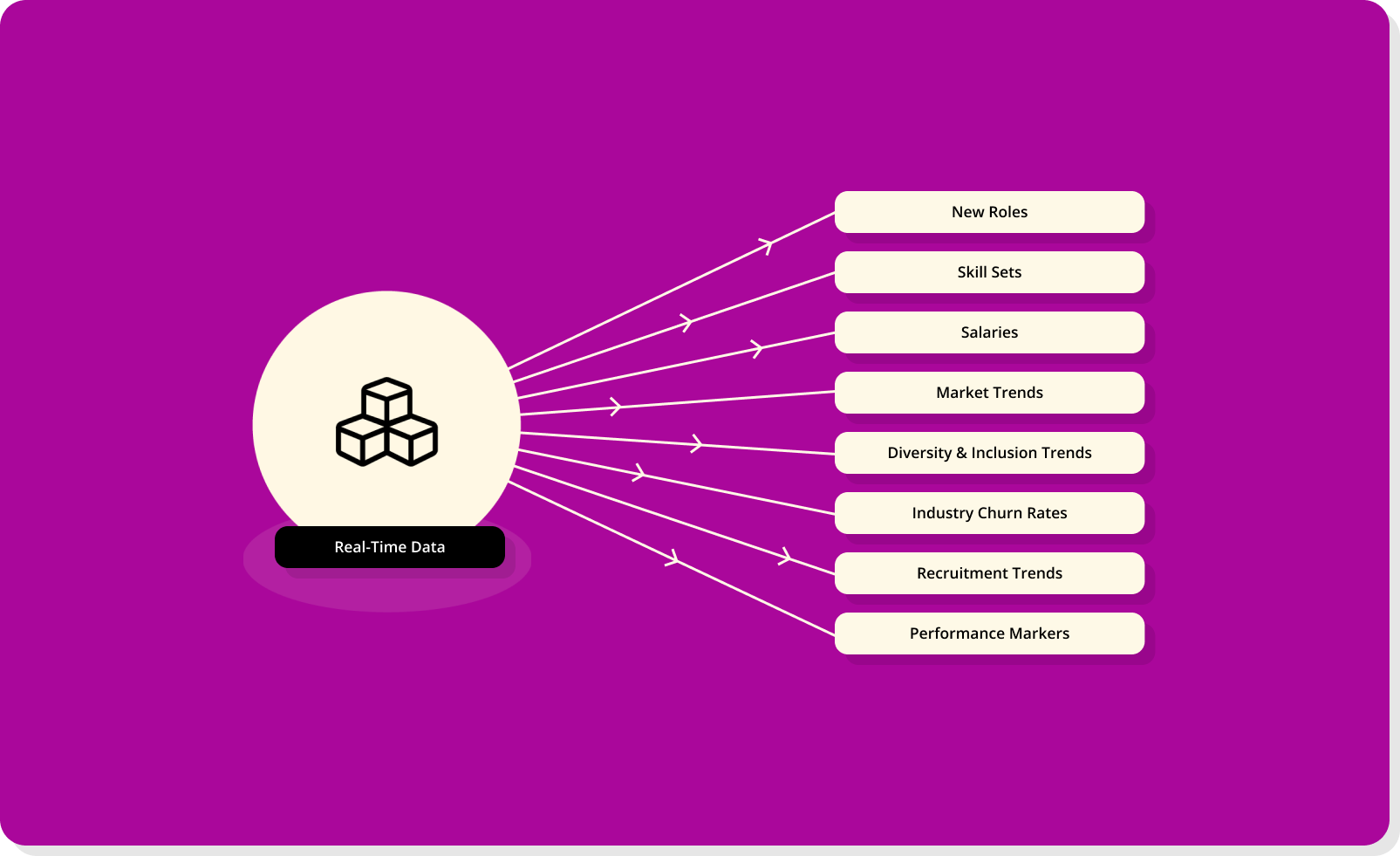
Delivering skills intelligence that drives decisions
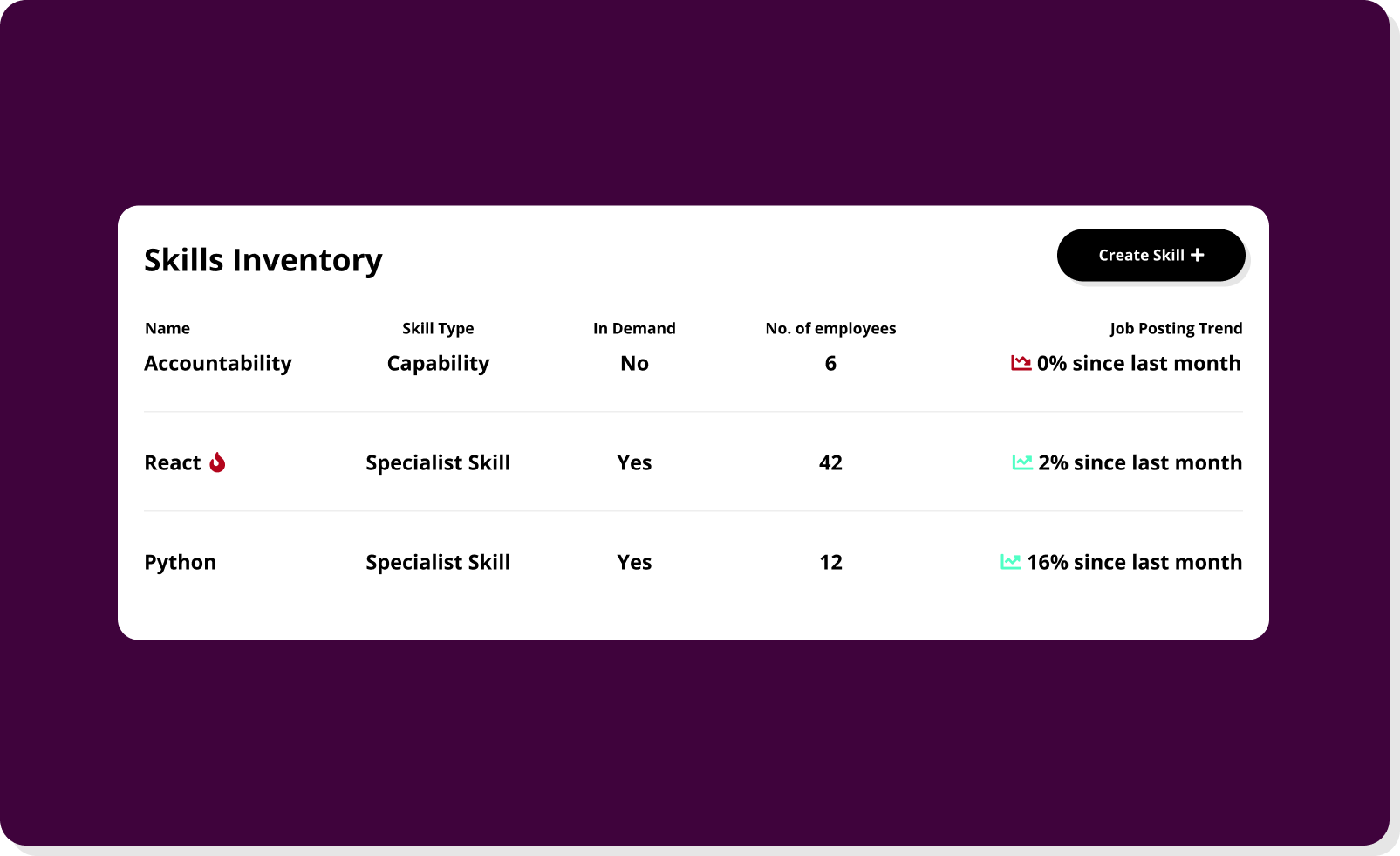
Once a tailored skills architecture is in place, Fuel50 layers on Skills Intelligence—a capability that transforms raw skills data into actionable, prioritized insights. Rather than leaving leaders to interpret complex reports, Fuel50’s intelligence engine highlights exactly where the most critical capability gaps lie and which interventions will have the greatest impact. This means workforce planning becomes less about guesswork and more about evidence-based decision-making.
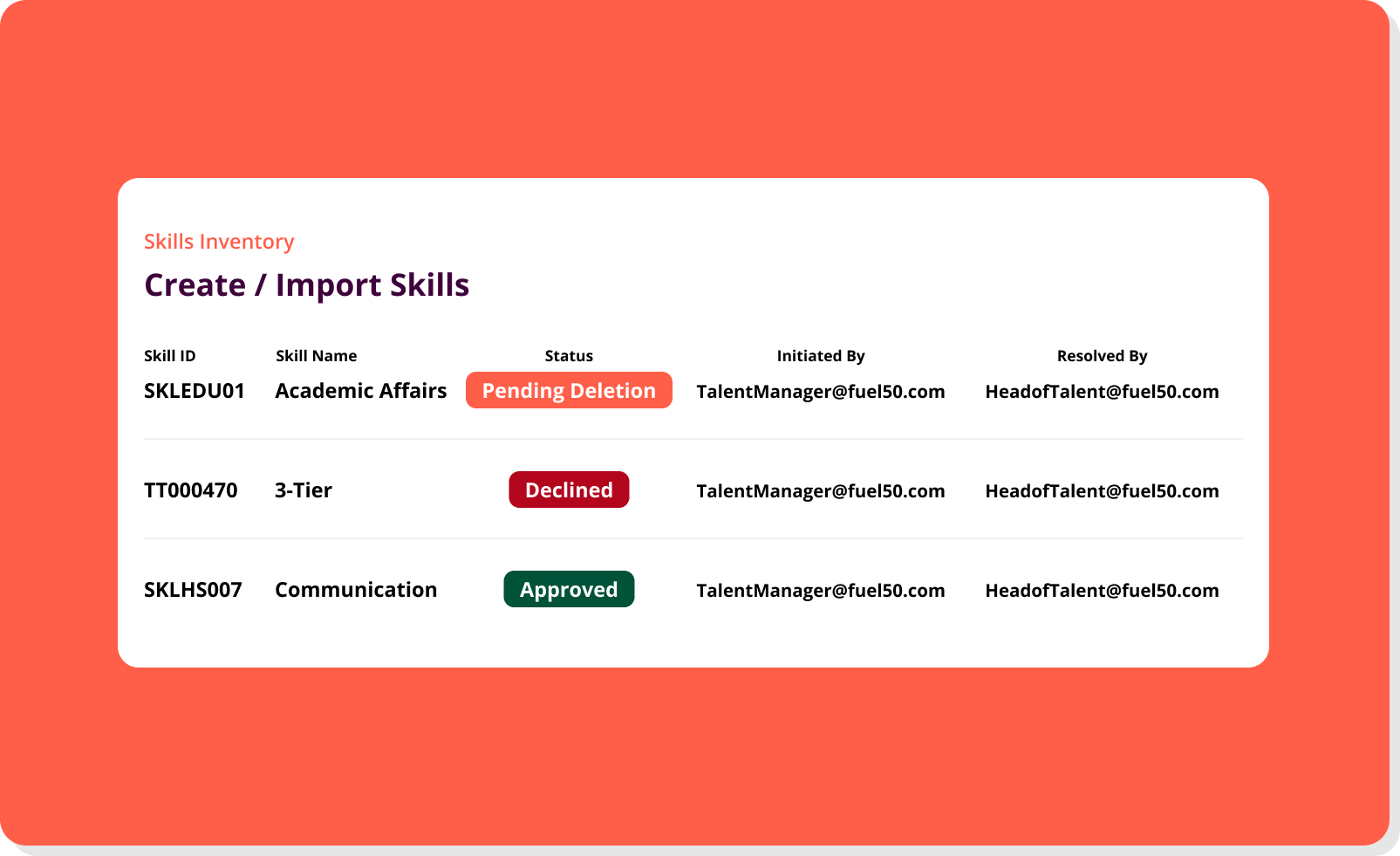
In practice, leaders can view skill strengths and weaknesses at every level—organization-wide, within specific business units, or down to individual teams. They can model future scenarios, such as the impact of automation or market shifts, and receive recommendations on how to close projected gaps before they hinder performance. The intelligence layer also integrates labor market data, ensuring recommendations are grounded in real-time external trends as well as internal realities. By making the path from insight to action clear, Fuel50 enables organizations to move from static analysis to proactive skill building, ensuring every talent initiative is directly tied to measurable outcomes.
Activating skills through a live talent marketplace
Fuel50’s Talent Marketplace takes the insights generated by its skills intelligence and turns them into tangible opportunities for growth and mobility.
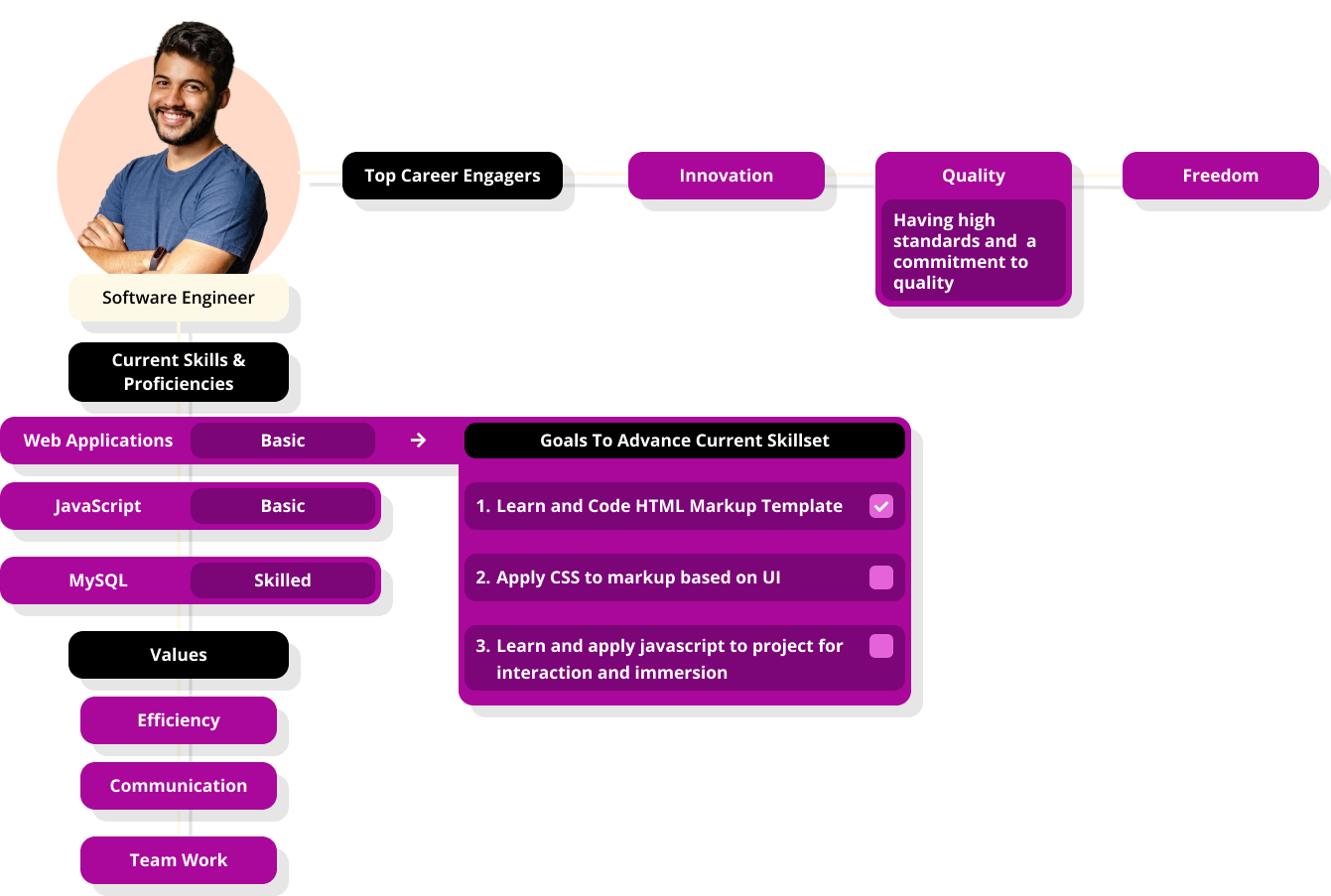
Instead of simply reporting where gaps exist, the platform actively connects employees to projects, gigs, roles, and mentoring relationships that will help close those gaps. This creates a self-sustaining cycle: skills data identifies development needs, and the marketplace provides targeted opportunities to address them in real time.
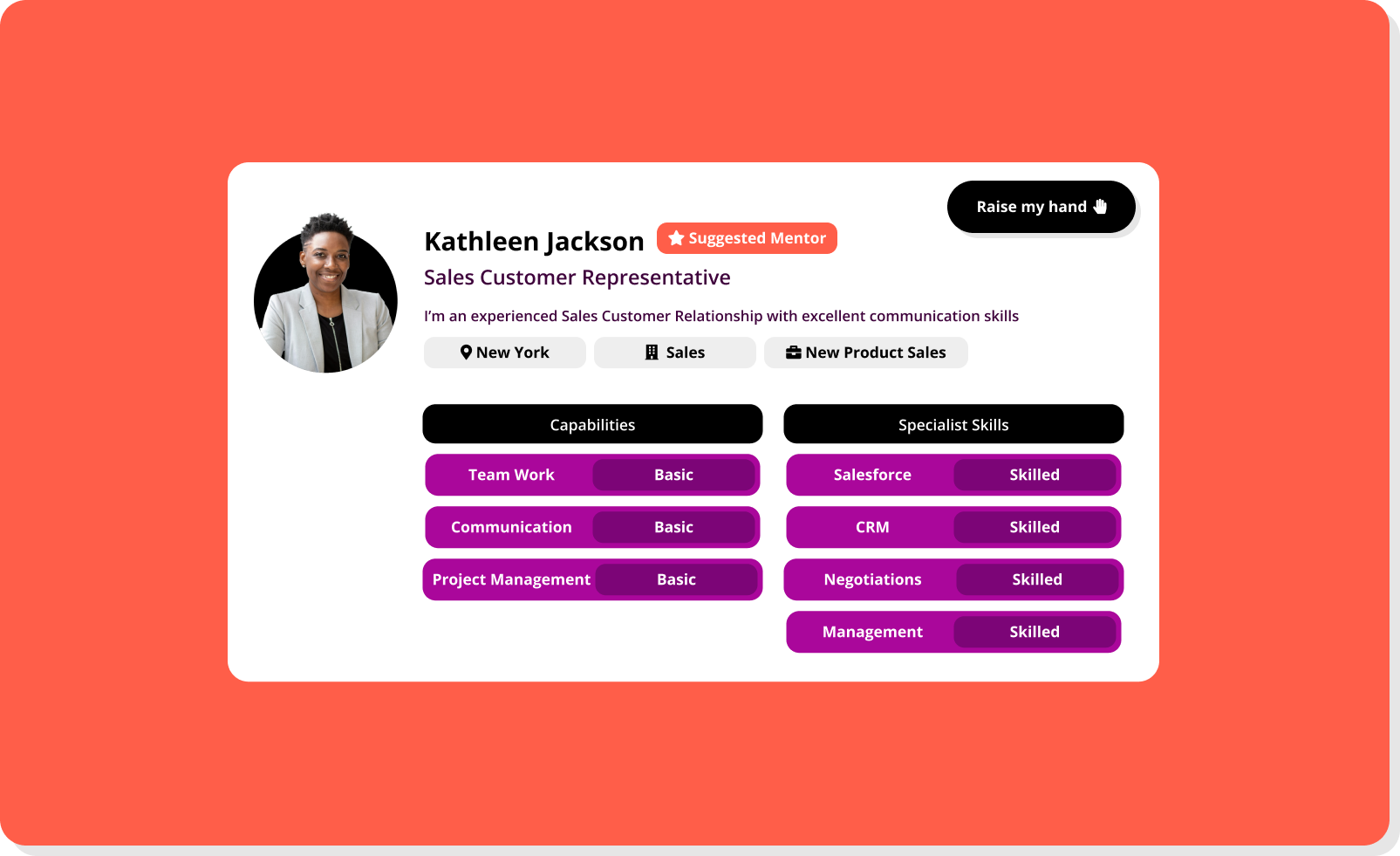
Within the organization, this means employees can see career pathways mapped against their current skills, with immediate access to opportunities that move them closer to their goals. Leaders, in turn, can tap into hidden talent pools for urgent business needs, redeploying skills across departments to maximize capacity and agility.
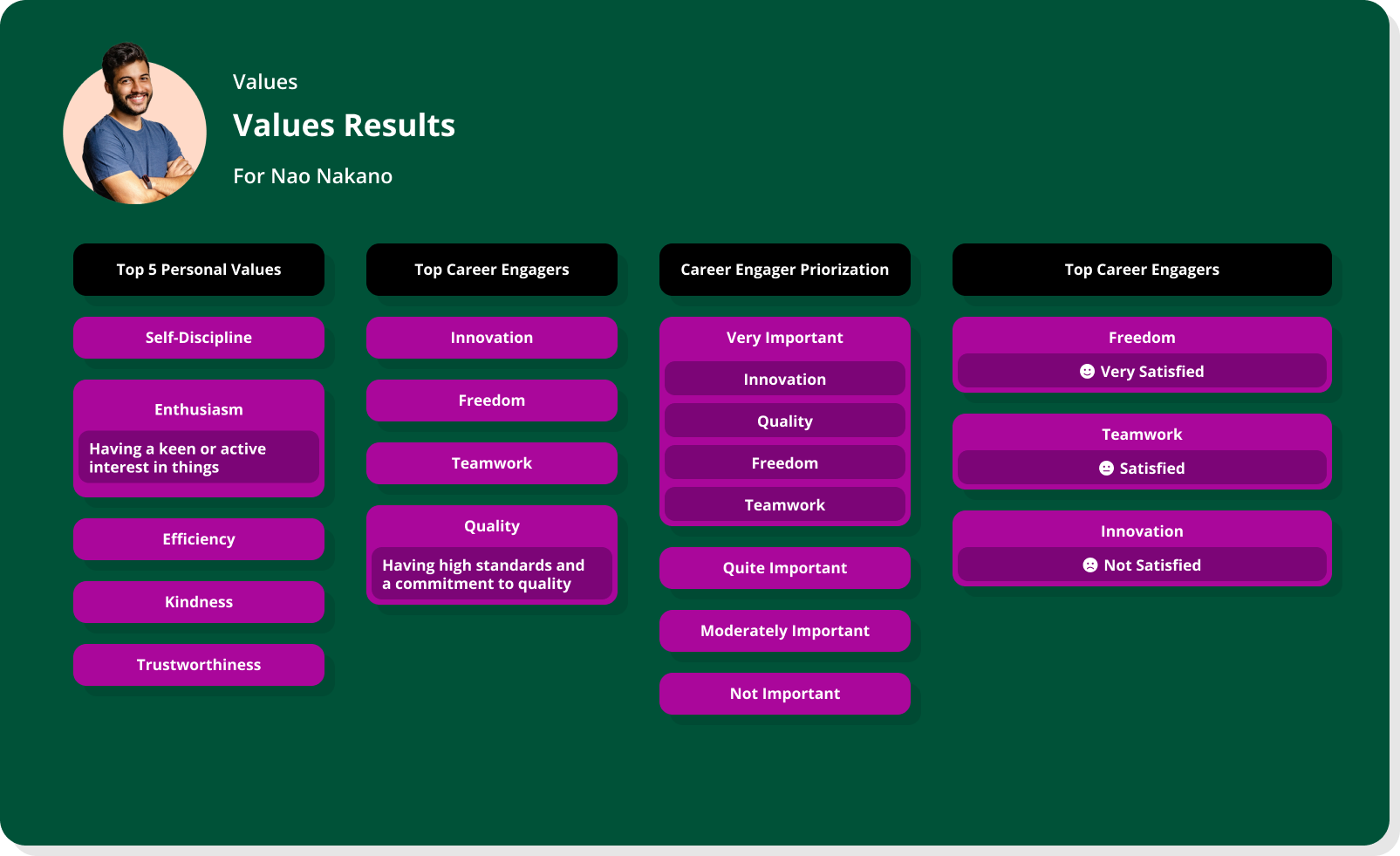
The marketplace also strengthens engagement by giving employees visibility into the roles and experiences available to them internally, reducing turnover and increasing internal hire rates. In essence, Fuel50 doesn’t just surface skills data—it builds the mechanisms to act on it, ensuring that both individual careers and organizational capability evolve together.
Keeping skills data fresh with continuous validation
One of the most common reasons skills strategies lose momentum is that the data quickly becomes outdated. Roles evolve, new technologies emerge, and market demands shift, yet many platforms leave their skills frameworks unchanged for years. Fuel50 solves this by embedding continuous validation into its process, ensuring skills data is always accurate, relevant, and ready for immediate use.
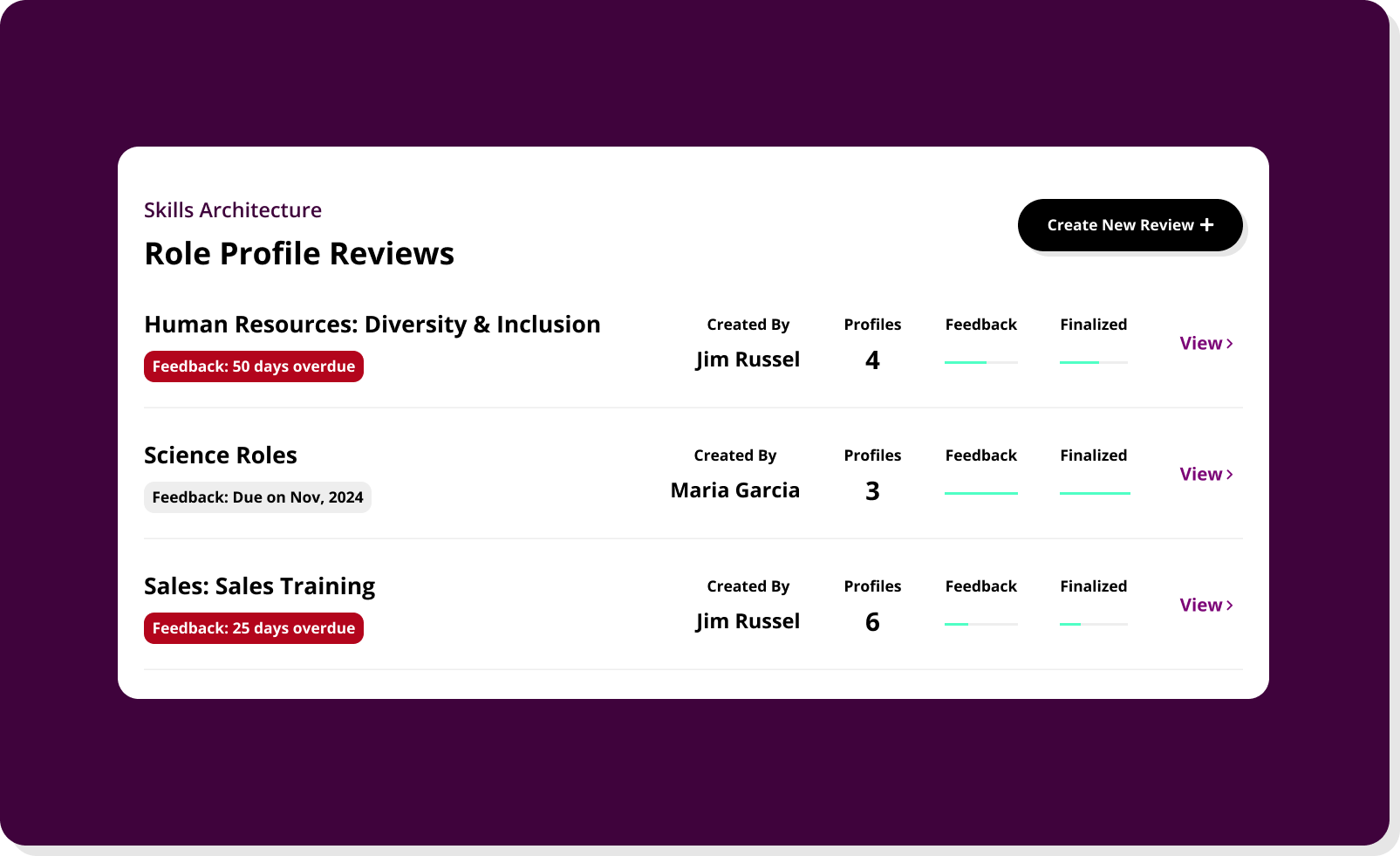
Through ongoing collaboration with clients, Fuel50 regularly reviews and updates skills profiles, aligning them with evolving business goals, emerging industry trends, and employee feedback. The platform’s skills ontology is monitored against real-time labor market signals, so new capabilities can be added and outdated ones retired before they cause misalignment.
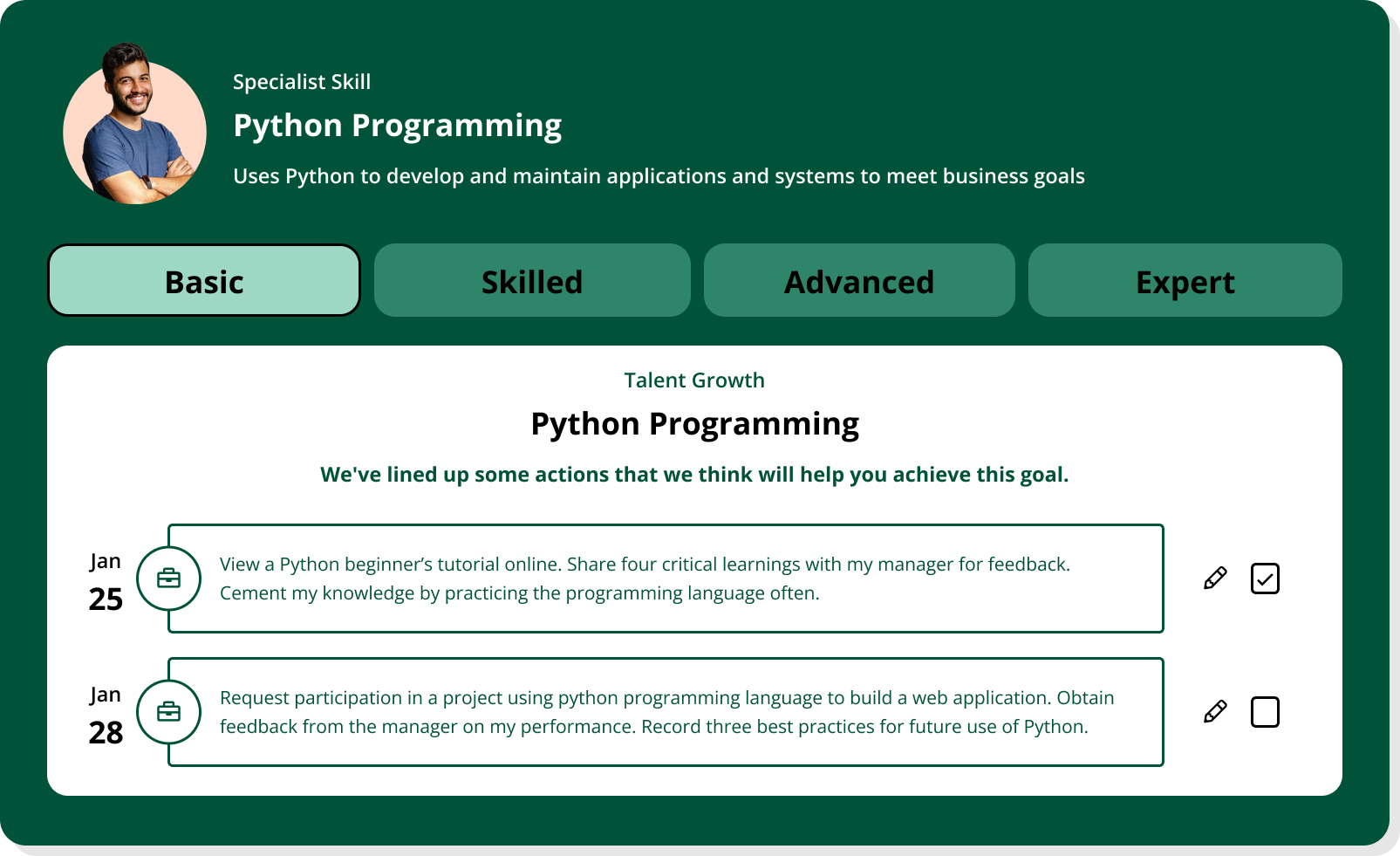
This means leaders never have to question whether their data reflects current realities—they can act with confidence, knowing every decision is informed by the most up-to-date information available.
In practice, this sustained accuracy has a direct impact on results. Clients consistently report gains in internal mobility, with more roles filled by existing employees who already have—or can quickly acquire—the necessary skills.
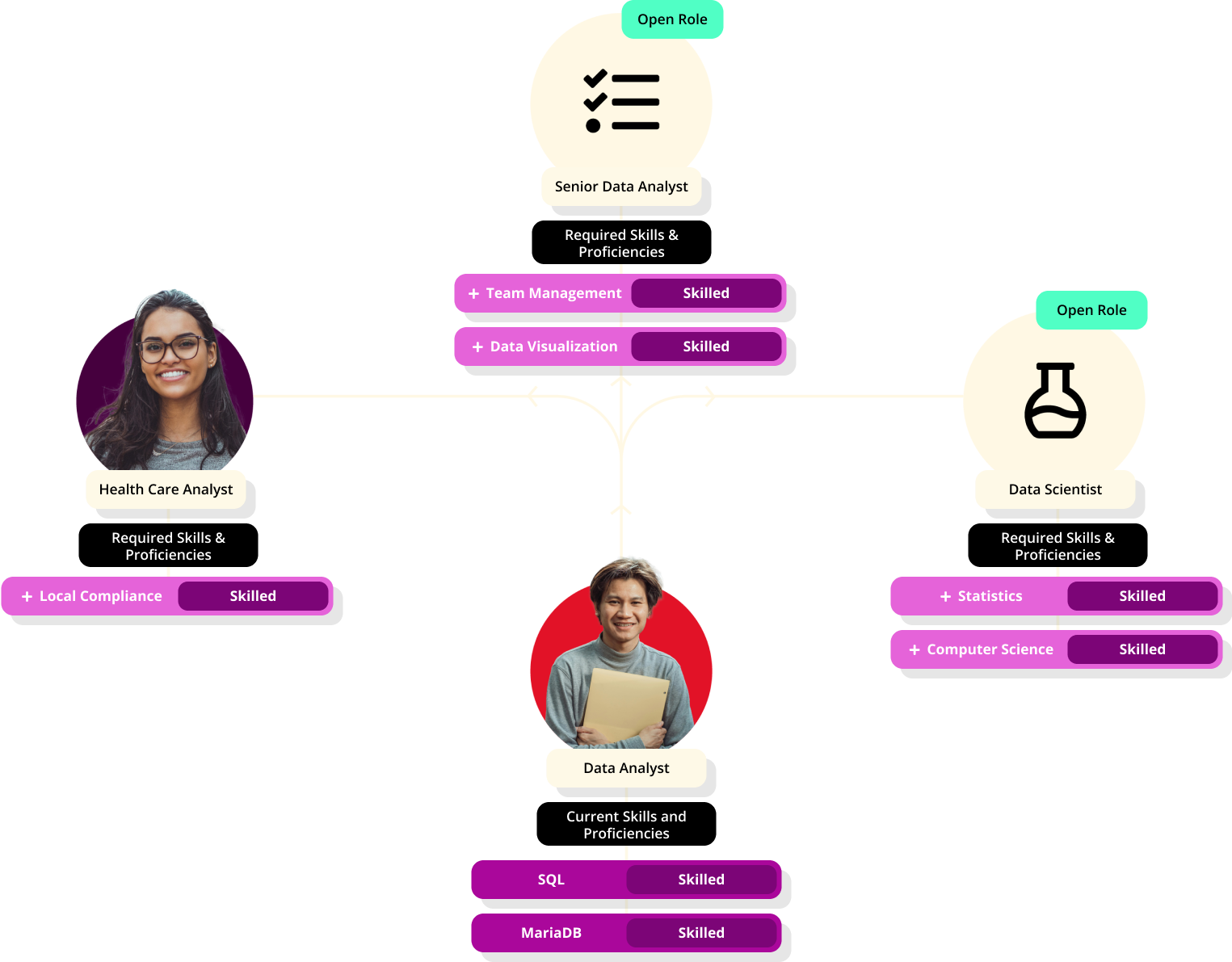
Engagement scores improve as employees see career pathways that match their ambitions and remain relevant to the organization’s future. By treating skills data as a living, evolving asset rather than a static report, Fuel50 ensures that every insight remains actionable and every action remains strategically aligned.


